Sungrow Says PowerTitan 3.0 Fire Test Showed No Spread at 28.56 MWh
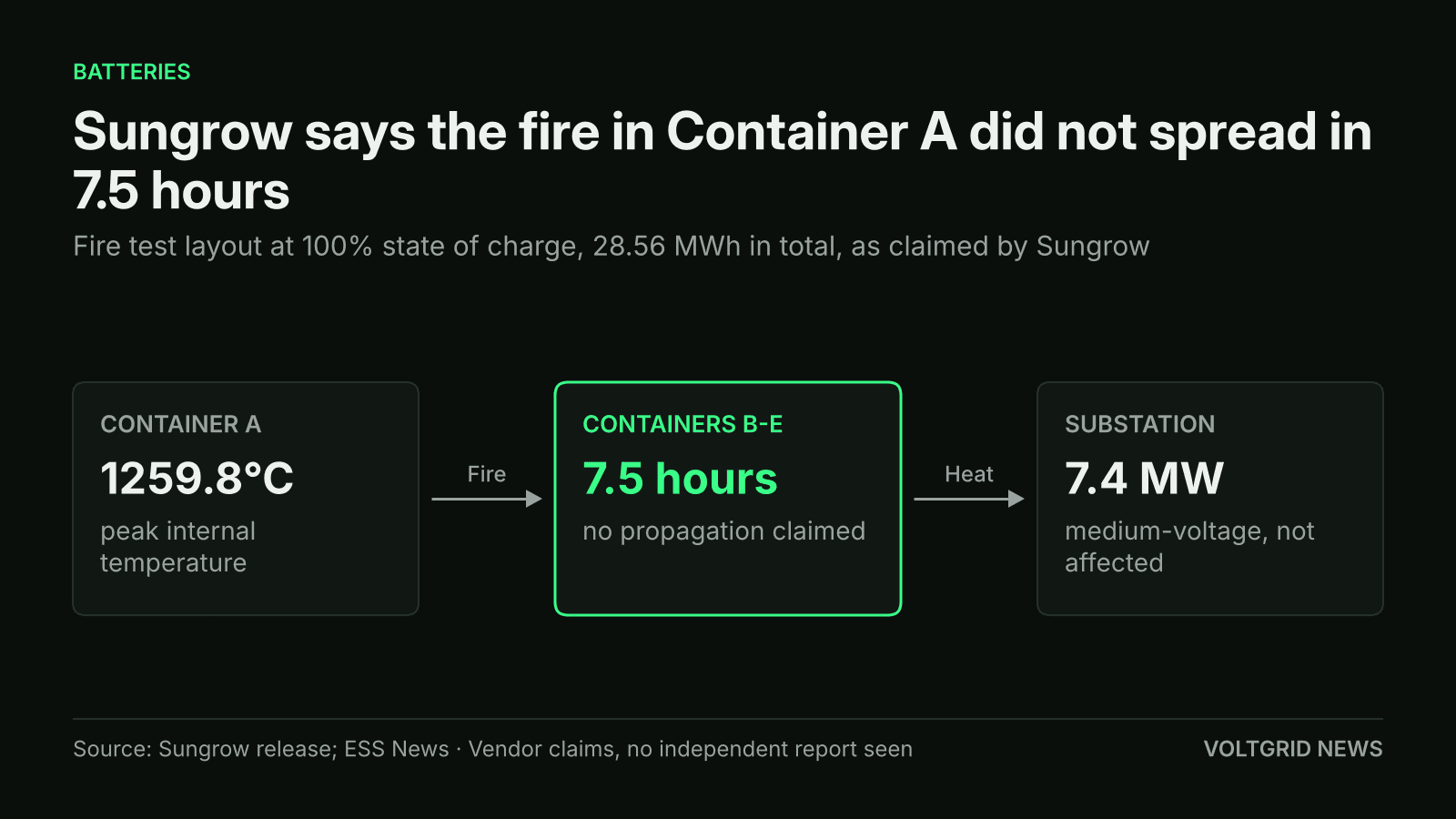
Sungrow says thermal runaway in one PowerTitan 3.0 container did not spread to neighbours or a 7.4 MW substation over 7.5 hours; no independent report or UL certificate has been seen.
2 min read
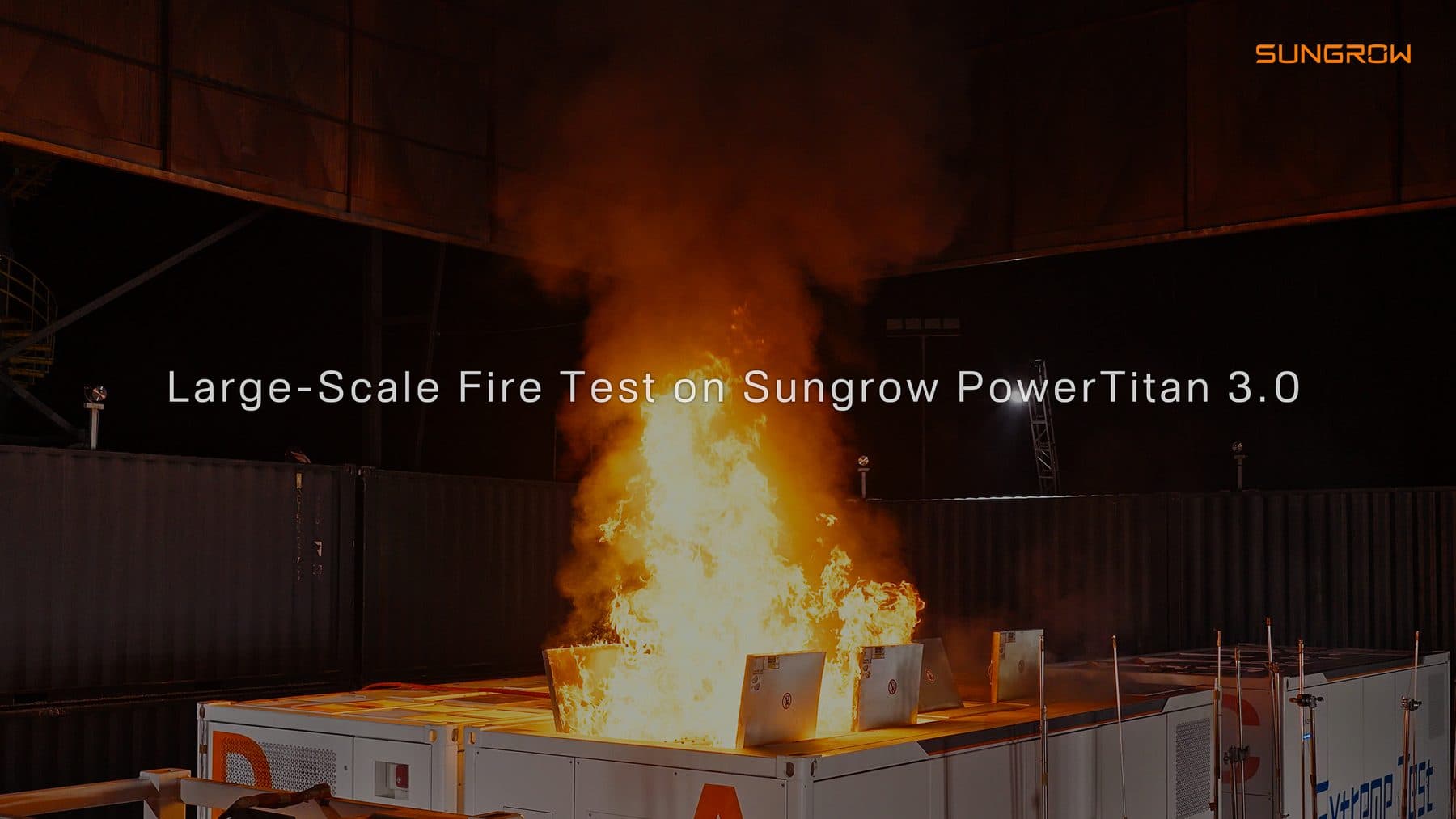
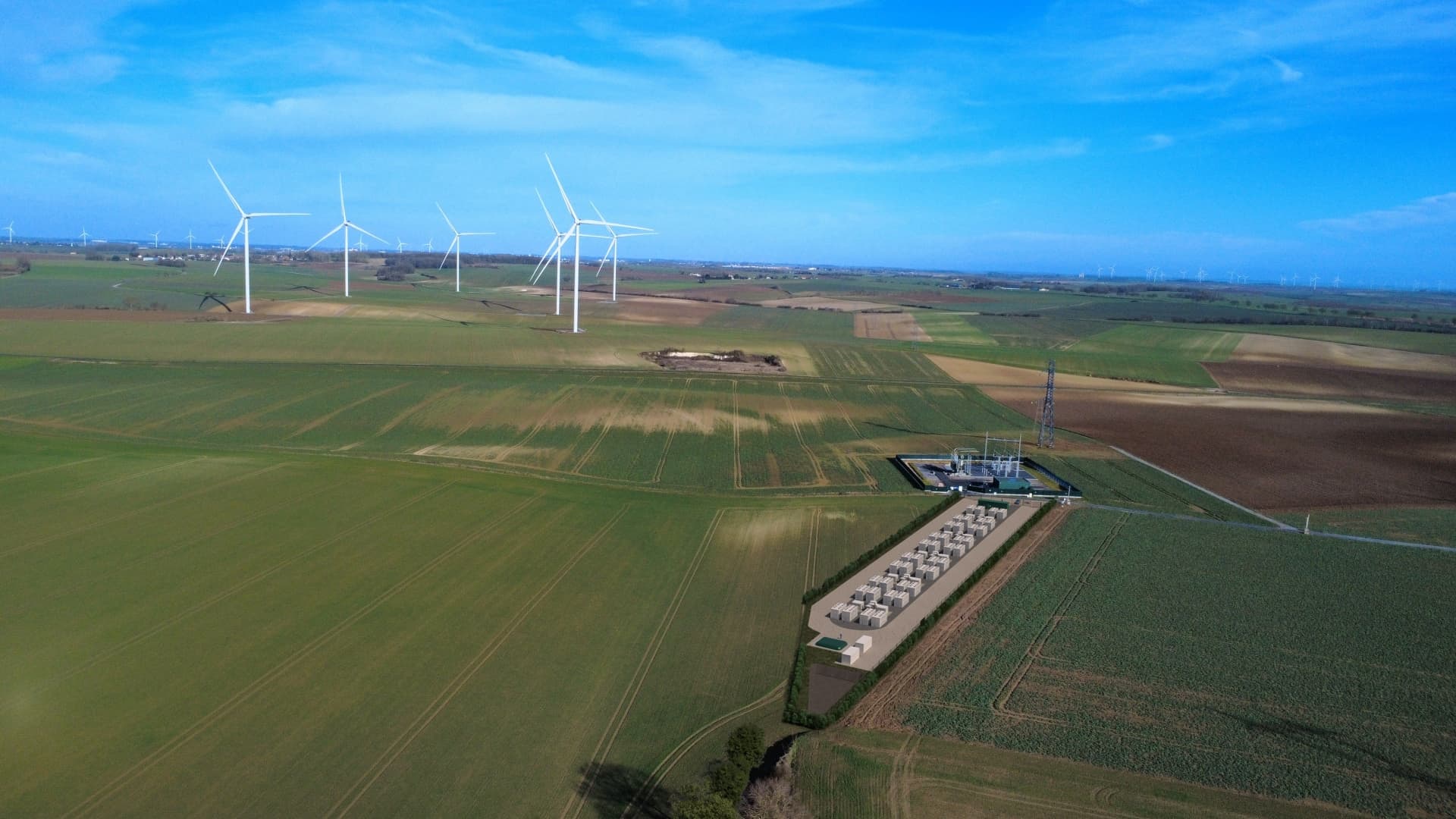
Sungrow's own image of the PowerTitan 3.0 large-scale fire test; the company supplied the photo and the test figures.
Image: Sungrow
Source · Press image from the Sungrow newsroom, used for news reporting.
Sungrow said its PowerTitan 3.0 battery energy storage system (BESS) completed a large-scale fire test in which a thermal runaway in one container did not spread to its neighbours or a medium-voltage substation over 7.5 hours.
The test followed UL 9540A:2026 and CSA/ANSI C800-2025 and was run by UL Solutions, according to a Sungrow release dated Oct. 21. Fire Risk Alliance witnessed it and Jensen Hughes observed it. ESS News reported the test took place in China. Sungrow calls PowerTitan 3.0 the first stacked-cell BESS with an AC-block design to complete such a test; that is the company's claim.
For project owners and insurers, a block-level result matters more than a cell-level one. Large-scale fire tests are what fire authorities and insurers cite when they judge how far a fire could travel between containers, and so how close containers can sit on a site.
PowerTitan 3.0 Fire Test Setup and Result
The setup mirrored a utility-scale block: 28.56 MWh of liquid-cooled PowerTitan 3.0 units and a 7.4 MW medium-voltage substation, with the batteries at 100% state of charge. The initiating container and an adjacent one were placed back-to-back. Active fire suppression and thermal management were disabled, and the roof pressure-relief panels of the initiating container were fully opened to maximise ventilation.