Nexans CFO Says Cable Capacity Is a Bottleneck for AI Data Centers
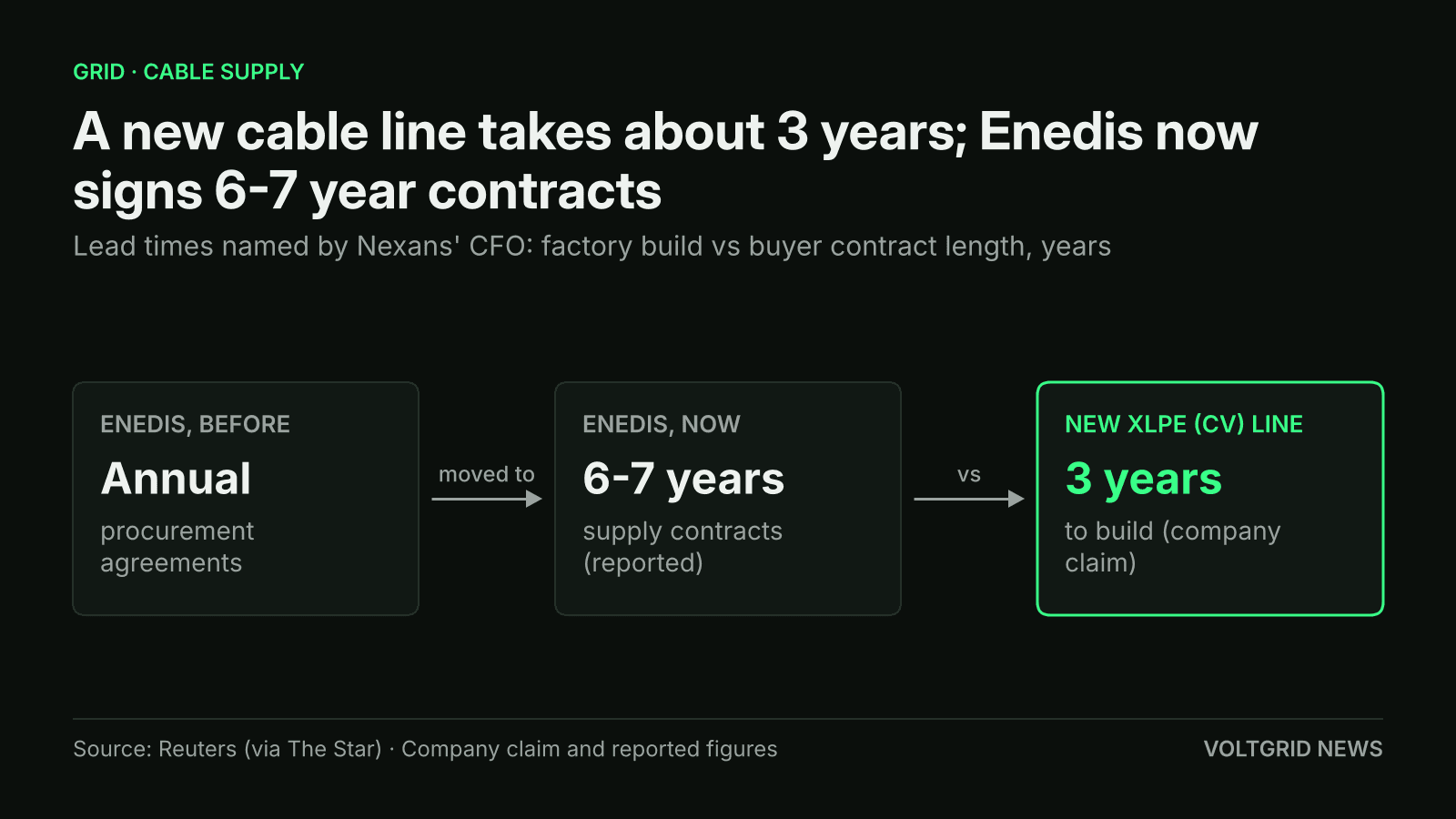
Nexans' CFO told Reuters on Oct 22 that a new XLPE cable line takes about three years to build, and Enedis has moved to six- or seven-year supply contracts. Reuters gave no backlog figures.
2 min read
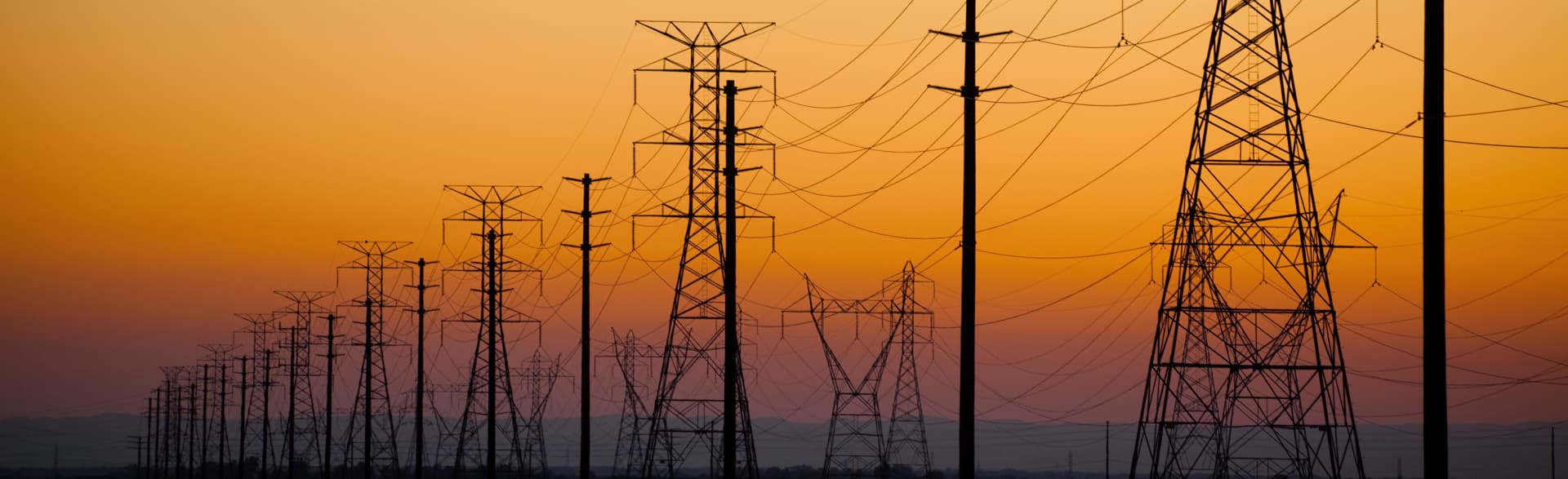
Illustrative image of overhead power lines from Nexans' newsroom page. It does not show a Nexans cable factory or the CV line discussed in the story.
Image: Nexans
Source · Press image from the Nexans newsroom, used for news reporting.
Nexans' finance chief told Reuters on Oct 22 that cable production capacity is becoming a bottleneck for AI data-centre construction, because demand is rising faster than manufacturers can add capacity.
Global cable capacity is tight, CFO Vincent Piquet said, and building a new cross-linked polyethylene (XLPE) production line, known in the industry as a CV line, takes around three years. That lead time limits how quickly suppliers can respond. "Things can't move quickly and the people building these data centres are in a great hurry," Piquet told Reuters.
What AI Data Centers Need From the Cable Industry
According to the Reuters report, data centres require large amounts of low- and medium-voltage cable to connect their power infrastructure, and larger facilities consume proportionately more medium-voltage cable. Piquet said grid constraints, while slowing some projects, are also supporting demand for Nexans' products and letting the company be more selective when it allocates capacity.
Buyers are already changing how they contract. French distribution network operator Enedis has moved from annual procurement agreements to contracts lasting six or seven years to secure cable supply, Piquet said.